

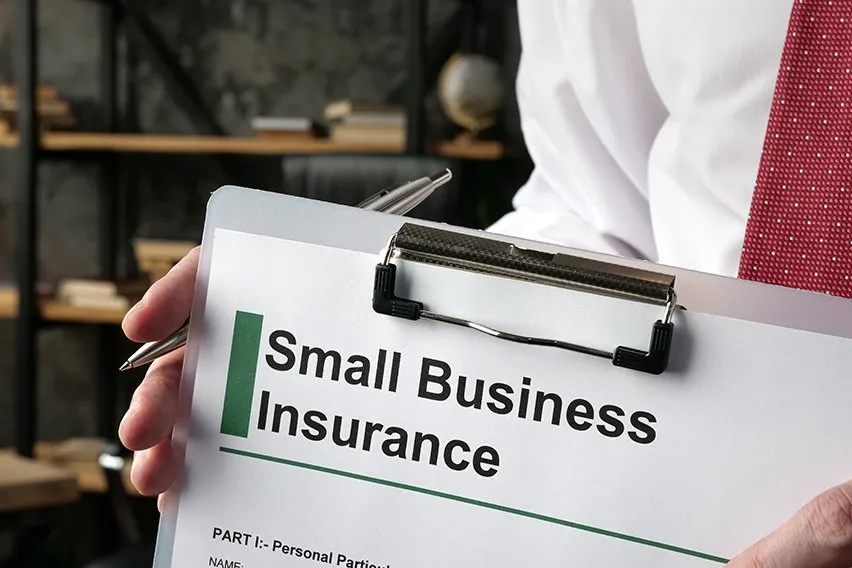
Running a small business is lucrative, but it also comes with risks. While you’re busy growing your business, attracting customers, and running the day-to-day operations, one mistake or unexpected event can destroy everything you’ve worked so hard to build. That’s why insurance is more than just a formality; it’s an important way to protect your time, money, and peace of mind. There are many potential risk factors, including property damage, lawsuits, employee injuries, and cyberattacks. Without the right insurance, a single incident can cost your business thousands of dollars or even put it out of business. In today’s turbulent economy, small business owners need to be proactive about managing risk. This article explains what types of insurance you need, how they work, and why they’re essential to ensuring your business is safe and successful in 2025.
Liability Insurance
Every small business insurance policy starts with liability insurance. This protects you from common hazards, such as customers tripping over your store or damaging something while you’re working. If your business gets sued, this coverage can cover legal fees, medical bills, and even settlement costs. This is crucial, as lawsuits can be filed by anyone and often strike when you least expect it. Liability insurance allows you to serve your customers without fear of a lawsuit, regardless of where you work—in a store, at home, or in a coworking space. Many customers are required to show proof of liability insurance before signing a contract. Without it, an unexpected accident can turn into a costly legal nightmare.
Commercial Property Insurance
Your buildings, equipment, and inventory are just as important to your business as the goods and services you provide. Commercial property insurance protects you if something happens to your business premises, such as fire, theft, vandalism, or a natural disaster like a hurricane or flood. This coverage is essential if you need physical equipment or space to operate your business, regardless of whether you own or lease the facility. Imagine how devastating it would be to lose all of your computers, supplies, and even signage in a disaster. Paying for everything yourself can be overwhelming. Home insurance can help cover the cost of repairs or replacements, so you can get back up and running faster, which means less downtime. For many small businesses, this coverage is essential to staying afloat after a disaster or closing down.
Business Interruption Insurance
If something unexpected happens, like a fire, flood, or even a pandemic, and your business has to temporarily close, business interruption insurance can help. It covers lost revenue, ongoing expenses, and sometimes even the cost of a temporary relocation. This coverage is essential for small businesses that don’t have enough cash or reserves. If you rely on daily sales to keep your business running, even a few weeks of closure can throw your finances into disarray. Business interruption insurance is like a financial lifeline, allowing you to continue paying your employees’ salaries, rent, and other bills while you’re closed. After the pandemic, workers’ compensation insurance is more important than ever to keep your business afloat.

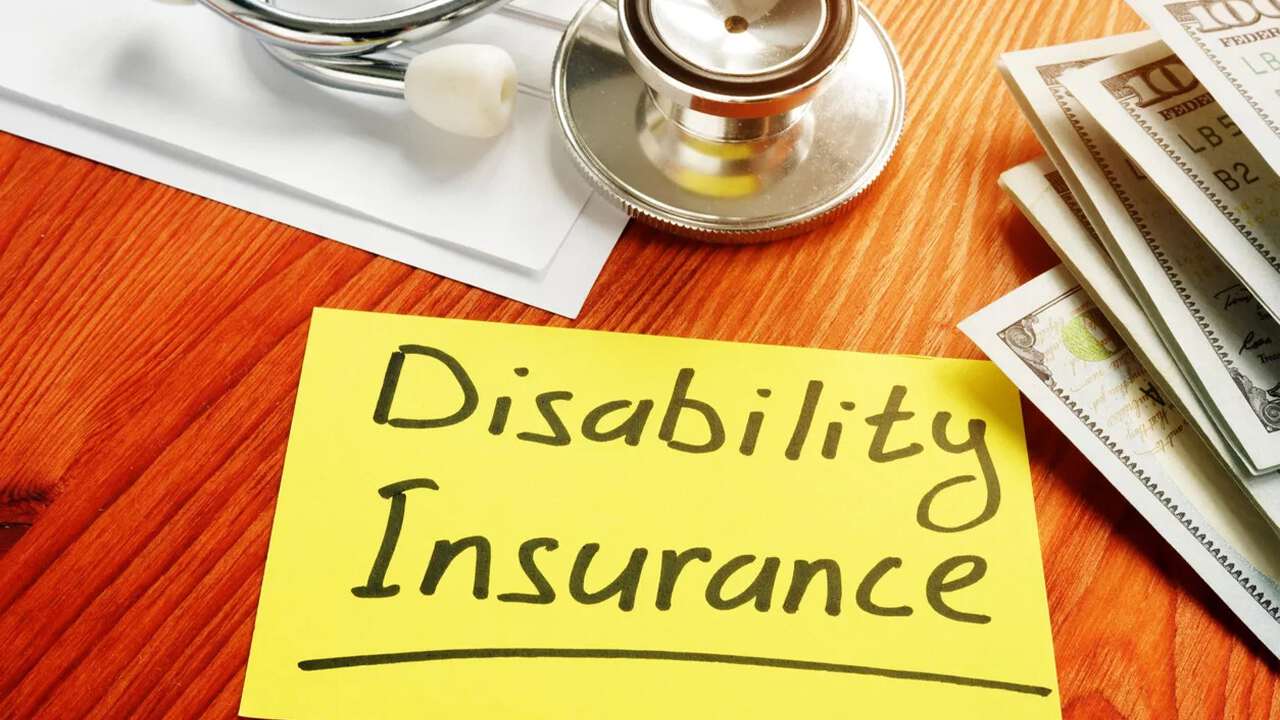


Disability Insurance
In most states, workers’ compensation insurance isn’t just a smart idea—it’s required by law. This insurance covers employees’ medical expenses and missed workdays if they get injured or sick on the job. Whether you run a bakery, a retail store, or a construction company, there are always dangerous elements at work. Disability insurance can protect your business and your employees in the event of an accident. Without it, you could be sued, fined, or even charged with a crime. It also gives your employees a sense that you care about their safety and well-being, which increases morale and loyalty. This coverage protects your bottom line while building trust.
Cyber Liability Insurance
In the digital age, cybercriminals are increasingly targeting small businesses. A phishing attack, ransomware, or data breach can cause serious damage to your reputation and finances. Cyber liability insurance is designed to cover the costs of data recovery, legal fees, customer notification, and public relations management following such attacks. If your organization collects or stores consumer information, even something as simple as an email address or credit card number, you are at risk. Many small business owners think they are too small to be a target, but cybercriminals are often after the easy win, not the big fish. Cyber risks are increasing every year, so cyber liability insurance is no longer an option but a necessity. In this connected world, it is the modern shield you need to keep your organization safe.
Conclusion
One of the best ways for small business owners to secure their future is to get insurance. It’s not just about following the rules or completing all the formalities; it’s about protecting your dreams, your assets, and the people who run your business. Risks are everywhere, from lawsuits to natural disasters to cyberattacks. But with the right insurance, you can face them with confidence. You need to understand the importance of proper protection before problems arise. Review your policy regularly, consult with an insurance agent you trust, and make sure your business is truly safe. Ultimately, success isn’t just about scaling; it’s about staying in business no matter what.
FAQs
1. Do I need insurance if I run my business from home?
Yes, businesses that work from home still have to deal with risks, including customer lawsuits, equipment damage, and cyber threats. Home insurance doesn’t cover all risks, but business insurance does.
2. Is general liability insurance all you need?
Not always. This covers many basic risks, but depending on how your business operates, you may need more, such as homeowners insurance, workers compensation insurance, or cyber insurance.
3. How much does it cost to insure a small business?
The cost depends on your industry, location, number of employees, and the type of coverage you need. Basic insurance costs between $30 and $50 per month, but premiums can increase depending on the level of risk.
4. What happens if I don’t have the right insurance?
You could get into legal trouble, get fined or sued, or not be allowed to legally operate a business in your state. This will also undermine the trust of your customers and partners.
5. What should I look for when purchasing business insurance?
First, determine your risks. Then, consult with a licensed insurance agent who is familiar with your field. It’s always best to choose a policy that meets your needs.