

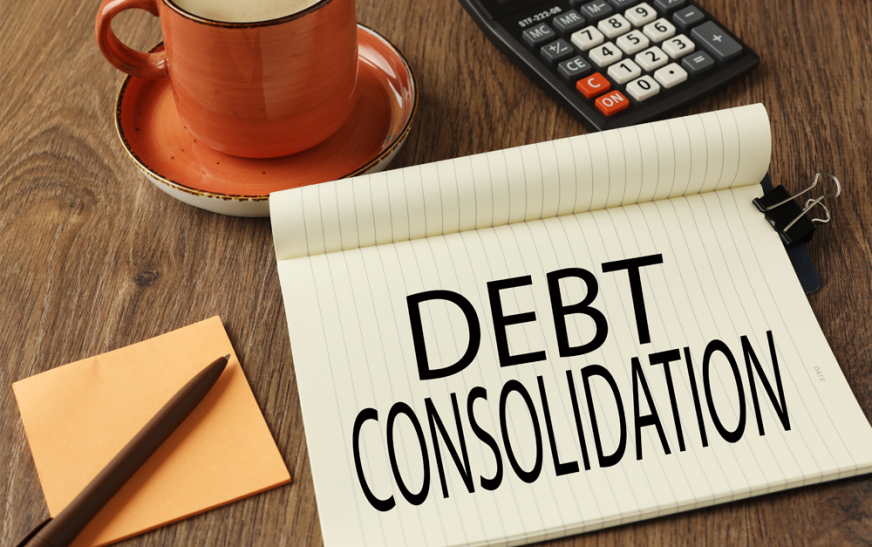
Debt consolidation is a way to manage money by combining multiple debts into one payment, usually through a new loan. One of the most common strategies is a personal loan. You can use a personal loan for debt consolidation to pay off credit cards, medical bills, payday loans, and other high-interest debts. The goal is to simplify your financial management by having only one payment per month instead of managing multiple bills. Applying for a personal loan instead of a credit card can save you money in the long run, as credit cards generally have lower interest rates.
Potential Benefits of Debt Consolidation
There are many benefits to using a personal loan to pay off debt. One of the biggest benefits is that you can get a lower interest rate. If you have good credit, you may be able to get a personal loan with a lower interest rate than you currently have. This can reduce the total interest you pay and help you pay off your debt faster. One payment per month is also easier to keep track of and can reduce the chance of you missing a payment. Some people who borrow money also feel better and more focused on paying off their debts when they consolidate their debts.
Applying for a Personal Loan
You can only use a personal loan to pay off other debts if you meet certain criteria, such as a good credit history, a stable income, and a low debt-to-income ratio. Lenders look at your credit score to determine whether you qualify and what interest rate they will offer you. People with higher credit scores are more likely to get a lower interest rate, which lowers the cost of their loan. Your income and existing debt are also important to the approval process, because lenders want to make sure you can make your payments on time. If you are unsure about your creditworthiness, it is wise to check your credit before applying.
When Using a Personal Loan Might Be a Good Idea
If you have a high interest rate on your credit card debt and can get a loan with a much lower interest rate, a personal loan may be an excellent choice. Personal loans are also useful if you want to make your payments easier and stick to a specific repayment plan. Unlike credit cards, personal loans have fixed terms and monthly payments. This structure makes it easy to get out of debt, as long as you don’t take on new debt while paying off old debt. If you have good credit and a steady income, it may be a good idea to consolidate your debts into one loan.


Potential Drawbacks and Risks to Consider
While personal loans have their benefits, not everyone should use them to pay off debt. If you have a low credit score, you may only be able to get a loan with a high interest rate. This won’t help you save money in the long run. In addition, personal loans often come with fees, including processing fees, that are deducted from the loan amount. This means that you may not get as much money as you expected. Another problem is that you may want to keep using your credit card even after you’ve paid off your loan. If you continue to rack up debt, your financial situation may be worse than before.
Understand your Options before Making a Decision
Before you choose a personal loan to pay off your debt, it’s wise to look into other options. You might consider a balance transfer credit card, a home equity loan, or talking to a credit reporting agency. Balance transfer credit cards sometimes offer an interest-free introductory period. If you can pay off the loan during this time, you could save a lot of money on interest. Home equity loans may have lower interest rates, but you could lose your home if you don’t repay the loan. If you have a lot of debt and a low credit score, a credit reporting agency may be a better option. They can help you develop a debt repayment strategy.
How to Use a Personal Loan Wisely
If you decide that a personal loan is right for you, it is crucial to use it wisely. First, make sure that the loan amount is enough to cover all of your high-interest bills. Once the loan is taken out, you can immediately use the money to pay off the debts you want to consolidate. Do not delay using the money or use it for other purposes. Set up regular payments on your new loan so that you do not miss payments or pay late. It is also important to commit to not using credit cards or taking on additional debt while you are paying off your debts. To get the most out of a debt consolidation loan, you must be disciplined and pay close attention to your finances.
Conclusion
Taking out a personal loan to pay off other debts can be a good idea, but only if you plan ahead and stick to a budget. This can result in lower interest rates, easier debt repayments, and a clear path to becoming debt-free. But it also comes with risks, such as exorbitant fees, the possibility of further debt, and the problems that can arise for people with poor credit. Before you make a choice, take the time to understand your financial situation, weigh your options, and think about the long-term consequences of this choice. If you make the right choice, a personal loan can be an excellent way to get back on track with your finances.
FAQs
1. How high should your credit score be to get a personal loan for debt consolidation?
Most lenders prefer a credit score of at least 600, but the highest interest rates are usually offered to people with a credit score of 700 or higher.
2. Is it wise to apply for a personal loan to pay off all your debts?
You should only use a personal loan to pay off unsecured debts with high interest rates, such as credit card debt. Sometimes it is not wise to consolidate debts with lower interest rates.
3. Will consolidating all my debts affect my credit score?
Your credit score may drop for a short time after you take out a new loan, but regular, on-time payments will improve your credit score in the long run.
4. Can I continue to use my credit cards and loans after consolidating them?
Yes, but that’s not a good idea. To avoid getting into too much debt, it’s best to stop using your credit cards while you pay off your loans.
5. How long does it take to pay off a personal loan that was used to pay off other debts?
Loan terms range from two to seven years, depending on the lender and the loan amount. The shorter the term, the higher the monthly payment, but the less interest you’ll pay overall.